




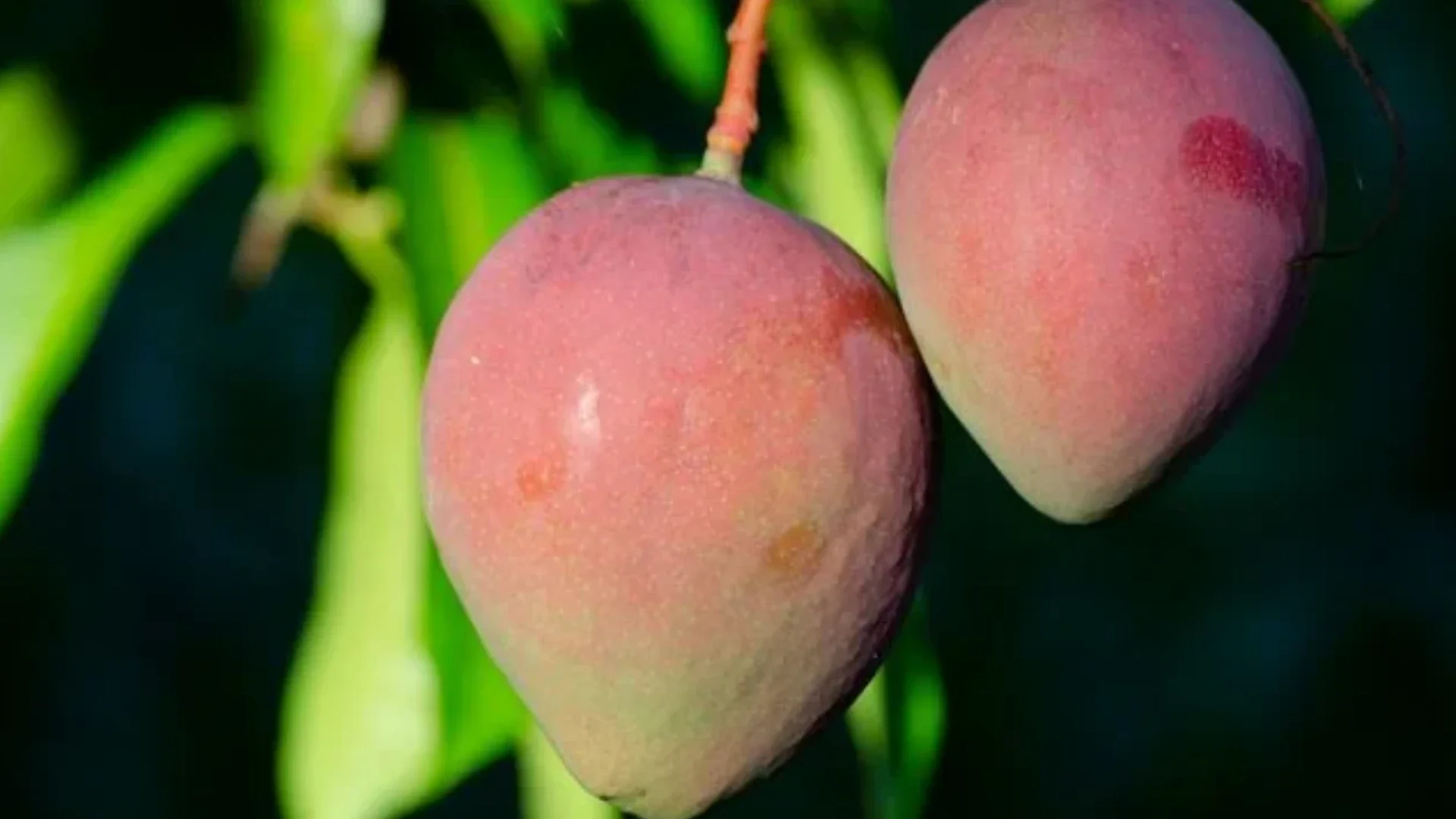
Ask anyone who loves living in South Florida what makes it special, and you'll hear about the beaches, the sunshine, the culture… and, if you ask in June, the mangoes.
Our rich soil, year-round sunshine, and summer rains make South Florida one of the best places in the country to grow tropical fruits, vegetables, and flowers. Imagine stepping into your backyard and picking fresh, organic fruit right off the tree, like your own personal Martha Stewart garden, with a tropical twist.
For many of us, especially those with Caribbean and tropical roots, mango season is more than a season. It's a taste of home. Being able to enjoy the same mangoes you grew up loving is one of the reasons so many families choose to put down roots here.
The Mango Countdown
In South Florida, mango season is something we watch all year.
- January–February: The trees start to bloom with clusters of tiny flowers.
- March–April: Small green mangoes appear, and our mouths collectively begin to water.
- May: We watch them grow, and hope a big storm doesn't knock the young fruit off the branches.
- June–July: Harvest time! Out come the picking sticks, the grocery bags, and the "you have to try these" texts to friends and family.
Mangoes become gifts for neighbors, coworkers, and church family. They turn into mango salad, smoothies, salsa, chutney, and more. And let's be honest: these little delights are one of the reasons we happily put up with the summer heat.
The Early Bird Gets the Mangoes
Here's a personal confession. In the summer, I love early-morning walks and jogs. It's the only time I can run without burning up! But there's a bonus: I'm often rewarded with mangoes that fell overnight, before anyone else can claim them.
Where I live, we have community mango trees, and in Miramar, the early bird really does get the mangoes. River Run Park and other parks in Miramar also have community mango and fruit trees for everyone to enjoy. It's one of those small, sweet things that makes our community feel like home.
Celebrating Our Favorite SoFlo Fruit
South Florida loves mangoes so much that we throw festivals for them. The Fairchild Tropical Botanic Garden Mango Festival in Coral Gables, now more than 30 years running, celebrates mango varieties from around the world with tastings, chefs, and family fun every June.
Mangoes reflect our community's diversity, too. You'll hear neighbors debating Julie vs. East Indian vs. Haden vs. Kent with real passion. Everyone has a favorite, and it usually connects back to where they or their family came from.
More Than Mangoes
Mangoes may be the stars of summer, but South Florida yards can grow so much more:
- Summer favorites: avocados, lychees, longans, and star fruit (carambola)
- Winter treats: citrus like oranges, Key limes, and grapefruit
- Year-round: coconuts, bananas, and papayas
No room for trees? You can still enjoy the harvest. Try a small garden of tomatoes, peppers, and herbs, or even a tea garden with lemongrass and mint. For year-round color, flowering trees like plumeria add beauty and fragrance. Popular privacy hedges along property lines include clusia and ficus.
Now, Back to Real Estate: Do Fruit Trees Add Value?
Yes. In South Florida, a healthy, mature fruit tree can make a home more desirable to buyers. Here's why:
- Buyers love them. Mature mango, avocado, and coconut trees add character and curb appeal, and they're a lifestyle feature buyers remember.
- They take years to grow. A mature tree gives a buyer something they can't get overnight.
- They pay you back every season. Unlike your home equity, there's no penalty for enjoying the returns! Fresh fruit year after year is a benefit you'll feel at the kitchen table.
- Shade and beauty. Well-placed trees can shade your home and outdoor spaces, which is a real plus in our heat.
When I tour a home with a client, I point out the trees and what they mean for the property: the value, the lifestyle, and the maintenance. A good real estate professional should understand both the benefits and the responsibilities.
Before You Plant, Trim, or Remove: What to Know
1. Keep branches away from your house.
Branches touching the roof or walls can damage shingles, clog gutters, give pests a highway into your home, and become projectiles during hurricane season. Keep trees trimmed back from the house, especially before storm season. See Master Investor Series 3 of 5 | Hurricane-Resistant Upgrades.
2. You may need a permit to remove a tree.
Both Miramar and Pembroke Pines generally require a permit to remove or relocate trees. If you plan to do more than routine trimming, check with your city's building or planning department first. Florida law allows an exception when a certified arborist or licensed landscape architect documents that a tree on residential property poses a danger, but get that documentation before any removal.
3. Check your HOA rules before you buy or plant.
Many HOAs have rules about which trees and plants you can have, where they can go, and how they're maintained. Some restrict fruit trees in front yards. Check the HOA documents before you buy if a garden is part of your dream.
4. Plant smart.
Give trees room to grow, away from the house, pool, septic system, and power lines. Mango trees can get big!
The Sweet Life in South Florida
Mango season is one of the simple joys that make South Florida home. Whether you're dreaming of a backyard mango tree, a vegetable garden, or just a yard with room to grow, I'd love to help you find a home that fits your lifestyle.
Looking for a home in Miramar or Pembroke Pines with room to grow? Book a free consultation or explore Miramar and Pembroke Pines.
Selling a home with beautiful trees or gardens? Let's make sure buyers notice them. See 7 Weekend Projects to Boost Your Property Value.
Now tell me: What's your favorite mango? 🥭