




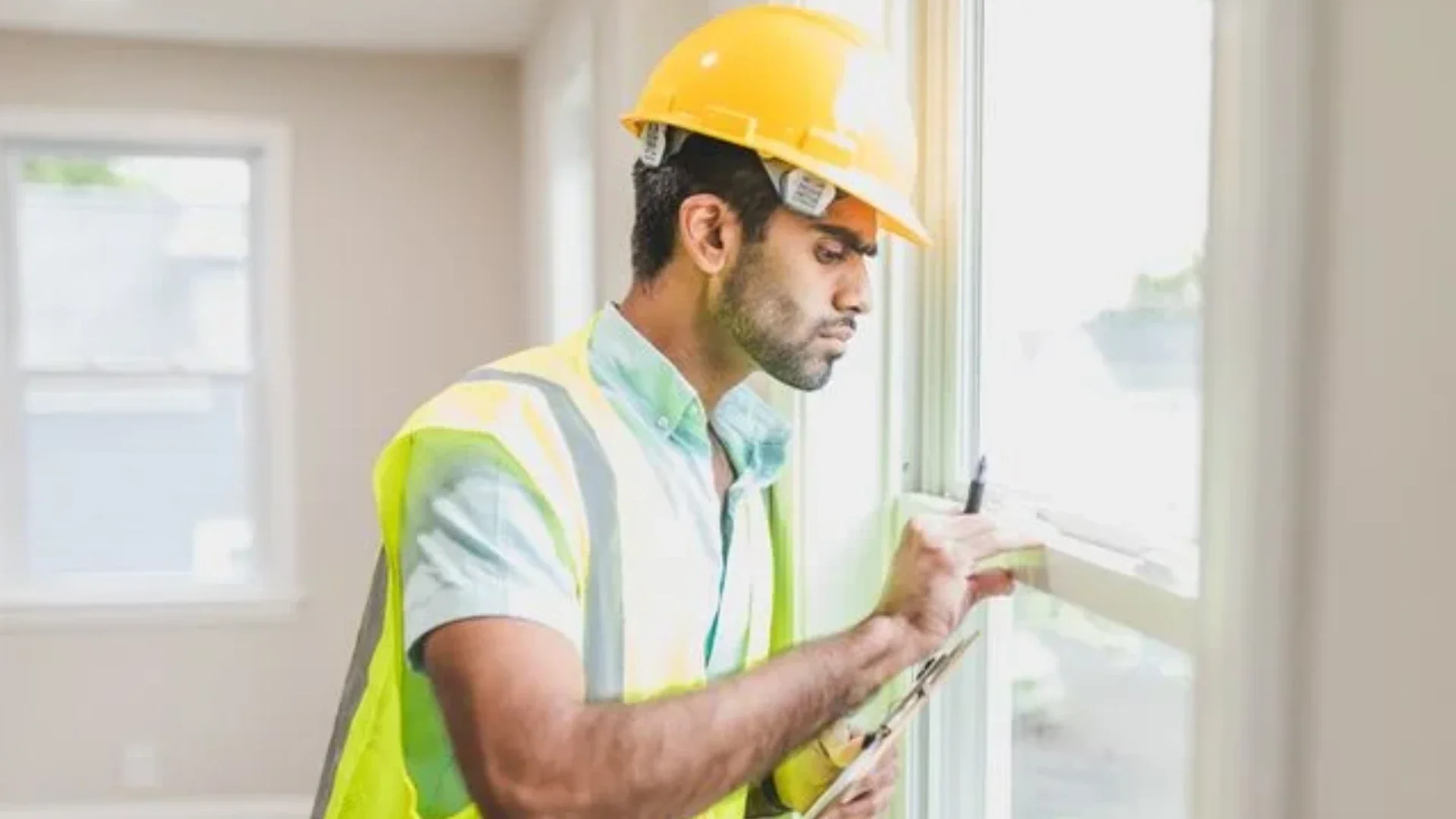
7 Mistakes to Avoid When Hiring a Contractor
More than half of American homeowners (52%) have a renovation project planned this year, and the median budget is about $15,000, according to a recent survey.[1] That's a significant investment, and you want it done right.
One of the most important decisions you'll make is choosing the right contractor. As a REALTOR® with a renovation background who has managed my own flips here in South Florida, I've seen what happens when this goes right, and when it goes very wrong. Many homeowners fall into the same traps, which lead to stress, money problems, and poor results.
Here are seven mistakes to avoid, plus the Florida-specific protections every homeowner in Miramar, Pembroke Pines, and Broward County should know.
1. Skipping the Research Phase
Rushing to hire without doing your homework can mean overpaying, or hiring someone whose skills and vision don't match your project. If you don't understand the basic process, it's also harder to ask the right questions.
What to do instead:
- Educate yourself. Read articles or watch videos about your type of project.
- Interview at least three contractors who specialize in the work you need.
- Ask specific questions about their process, materials, and timeline.
- Get referrals from friends, neighbors, and real estate professionals. Ask me for my list of trusted local contractors!
2. Choosing Based Solely on Price
It's tempting to take the lowest bid, but very low bids can mean cut corners, cheaper materials, or hidden costs later. The National Association of the Remodeling Industry recommends comparing "apples to apples": quality, timeline, and scope, not just price.[2]
What to do instead:
- Look at overall value: experience, reputation, and quality of work.
- Ask for detailed, line-item bids so you know exactly what's included.
- Be wary of bids far below the others. If it seems too good to be true, it usually is.
- Invest in quality. Paying for good work upfront usually costs less than fixing bad work later.
3. Not Verifying Licenses and Insurance
When you like a contractor, it's natural to trust them. But skipping the license, insurance, and reference checks can come back to haunt you.[3] An unlicensed contractor puts you at risk for code violations and poor workmanship. Without proper insurance, you could end up paying for damage, legal problems, or medical bills if someone gets hurt on your property.[4]
What to do instead:
- Verify the license at MyFloridaLicense.com, the state's official lookup. Many trades, including general contractors, roofers, electricians, plumbers, and HVAC contractors, require a state license, and some work also requires county or city certification.
- Ask for proof of insurance, including general liability and workers' compensation, and confirm it with the insurer.
- Check reviews online and with the Better Business Bureau.
- Call references, ask to see photos of finished projects, and visit a current job site if you can.
Florida warning: After hurricanes and major storms, unlicensed "contractors" often go door to door. In Florida, contracting without a license is a crime, and the penalties are tougher during a declared state of emergency. Always verify before you sign.
4. Proceeding Without a Written Contract
A handshake deal feels friendly, but verbal agreements are hard to enforce and easy to misunderstand.[5] Have a signed contract before any work begins.[3]
What to do instead:
- Get everything in writing: scope, materials, timeline, payment schedule, warranty, and how change orders will be handled.
- Don't sign until you understand and agree to every term. Ask questions and push back on anything that makes you uncomfortable.
- Keep records of payments, change orders, and any issues.
- Florida tip: Contracts with licensed contractors for residential work over $2,500 must include a notice about the Florida Homeowners' Construction Recovery Fund, which may help homeowners harmed by a licensed contractor's misconduct. If that notice is missing, ask why.
5. Paying Too Much Upfront
Paying a large amount, or everything, before the work is done leaves you exposed if the contractor disappears or doesn't finish. According to Angi, deposits typically range from 10% to 33% of the project cost,[7] and the rest should be tied to progress milestones. Construction attorneys caution against ever paying more than the share of work that's been completed.[3]
What to do instead:
- Avoid contractors who demand large upfront payments or cash only.
- Set a payment schedule tied to milestones, and stick to it.
- Don't pay in full until the work is complete, you're satisfied, and all inspections have passed.
- Know Florida's deposit rule: If a contractor takes more than 10% of the contract price as a deposit on residential work, Florida law generally requires them to apply for permits within 30 days and start work within 90 days after the permit is issued.
6. Skipping Permits (and HOA Approval)
Skipping permits might seem faster and cheaper, but it can lead to fines, forced removal of the work, or legal trouble.[8] Unpermitted work can be unsafe, hurt your resale value, and insurance may not cover it.[8] In South Florida, it can also make it harder to sell or insure your home later, and it's one of the issues I see come up most often in real estate transactions.
Don't forget your HOA. Many Miramar and Pembroke Pines communities require approval before exterior or structural changes, and HOAs can enforce their rules with fines or even a lien on your home.[9]
What to do instead:
- Discuss permits and HOA requirements with your contractor before work begins.
- Put permit responsibility in the contract.
- Make sure all required inspections are completed and closed out.
- Keep copies of all permits, approvals, and inspection reports. Buyers will ask for them when you sell.
Florida lien law tip: In Florida, subcontractors and suppliers who weren't paid can place a lien on your home, even if you paid your contractor in full. For larger projects, a Notice of Commencement is usually recorded. Before each payment, and especially the final one, ask for lien releases from the contractor and any subcontractors or suppliers who worked on your job.[6]
7. Ignoring Red Flags After the Project Starts
Sometimes a contractor checks every box until the work begins. Once you've paid a lot or part of your home is torn apart, it's easy to feel stuck. But ignoring serious problems only makes them worse.[10]
What to do instead:
- Review your contract so you know your rights.
- Document everything: dates, problems, photos, and all communication.
- Communicate professionally. Meet to discuss your concerns calmly and clearly.
- Ask for a written resolution plan with a timeline.
- Get help if needed. Talk to an attorney, or contact Florida's Department of Business and Professional Regulation (DBPR) or local consumer protection office.
Bottom Line
Hiring the right contractor is key to a successful renovation. Take the time to vet carefully, get everything in writing, and plan ahead. Your home is likely your biggest investment, and it deserves that care.
Planning a renovation, or preparing to sell? I can connect you with trusted contractors and help you figure out which improvements will add the most value to your home. Book a free consultation.
Related reading:
- Renovate or Relocate? 3 Questions To Help You Decide
- 4 Home Remodeling Projects with the Highest ROI
- Master Investor Series 3 of 5 | Hurricane-Resistant Upgrades
- Eden Styled-to-Sell System
This article is for informational purposes only and is not financial, legal, or tax advice. Consult the appropriate professionals about your individual needs.
Sources